Top 10 Tips To Report And Documenting PAT in Warwickshire
The documentation and reporting generated through Portable Appliance Testing (PAT), represents tangible evidence that a dutyholder is in compliance with the Electricity at Work Regulations of 1989. While the physical testing is essential however, the documentation shows the Health and Safety Executive's (HSE) inspectors and insurance assessors and assesses your vigilance. In the case of an electrical accident, comprehensive and accurate documents are the most important defense, showing that a risk-based, systematic maintenance program was in place. The IET Code of Practice outlines what constitutes a proper record, going beyond simple passing/failing tickets to include more extensive asset registers and risk assessments, as well as certificates of compliance. The proper documentation isn't an administrative flimsiest option, but rather an integral part of the safety procedure, enabling trend analysis, informing future risk assessments, and presenting an audit trail that is clear from the initial inspection through to any remedial actions implemented.
1. The PAT Testing Certificate – Report of Inspection and Testing in Warwickshire
This is the primary document you will need to deliver at the conclusion of a testing session. It should be a complete report, not a brief summary. A valid certification should include information regarding the testing service provider and the company they work for and the name and qualifications of the tester. Also, it should include the date, place of testing as well as a complete list of all tested appliances (referencing the unique ID), along with the results for all tests carried out (visual examination as well as electronic tests) as well as a clear indication of pass/fail for each item. The certificate should be verified by the individual who performed the work.
2. The Asset Register – The Foundation of Documentation
The asset log is the document that keeps track of the lifecycles of all portable appliances. It should include a detailed log that includes at a minimum an asset ID number (that matches the physical label on each portable appliance) as well as a full description, its Warwickshire, the classification (Class II/III), type (e.g. mobile, stationary, IT), manufacturer, model as well as serial numbers. A high-quality asset register will contain all of the results from tests, dates, and any remedial actions that was taken.
3. Failed Appliance Reports and Corrective Action Documentation in Warwickshire
A failure must be documented. The documentation must clearly track the entire lifecycle of a fault. This includes a detailed failure report that explains the nature of the fault (e.g., "failed earth bond test: 1.8O"), the immediate action taken (e.g., "item labelled FAIL, removed from service and disconnected") as well as an account of the authorization process for repair or disposal. When the problem is rectified, the report must show the result of a test retake as well the date the appliance was put back into service.
4. Labels and on-asset identification
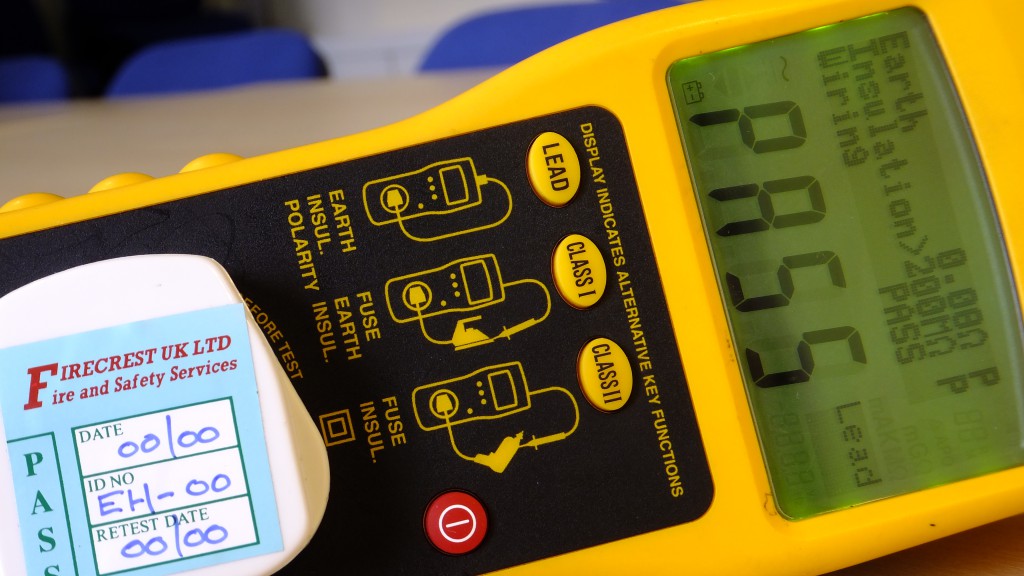
Labels attached to appliances themselves are crucial for the documentation system. Every label must be durable, not metallic, and nonconductive. It must clearly display an asset ID that is unique and a date of test, the tester’s ID (or the name of the company) and the date of the next inspection (or the date for re-tests). Labels provide a clear visual indicator to people using the facility and to inspectors about the state of compliance. The label information should be identical to the information contained in the certificate and asset register.
5. Risk Assessment Documentation
A documented risk assessment must determine the frequency and type testing. This report is a fundamental part of PAT documentation. It should provide the results of an assessment. This includes the types of equipment used and their surroundings and the degree of proficiency of the users and the reasons for choosing the tests and inspection intervals. This document justifies why certain less risky items should be included subject to a longer testing program by demonstrating a sophisticated method of risk-based analysis instead of the blanket approach of a non-substantiated policy.
6. Certificate of Competence and Insurance in Warwickshire
The documentation file should contain proof of the tester's competency. It is crucial to keep copies of any relevant qualifications for example, City & Guilds (2377) as well as proof of public liability coverage. The documentation supporting the test may not be a formal record, but it is essential as it validates the entire process. It demonstrates to an enforcement authority that the duty holder took reasonable steps to choose the right person.
7. Certification of calibration for Test Equipment
The precision of the test equipment is essential to the validity of any electronic test. Valid calibration certificates for the equipment used in testing is required to be attached to the test report. This certificate, which is usually renewed each year, proves that the results of the device were able to be traced to national standards at testing time, supporting the accuracy and reliability of the pass/fail calculations made.
8. Digital Reporting Systems and Online Portals
Digital management has become the standard industry practice. Numerous providers provide online access to their customers portal. Dutyholders can access at any time their live asset register. They are able to download historical and current certificates and run reports. This is a much superior solution to paper-based systems which reduces losses, making it simple to access during audits and providing a permanent, safe record. The availability of this system is an indication of an experienced service company.
9. Long-Term Retention of Data, Security and Retention
There is no specified duration of the PAT's statutory retention records, but in civil law claims for injuries can be made for up to three years. Prudent practice is to retain the full documentation–including certificates, asset registers, and risk assessments–for at least the lifespan of the appliance or for a minimum of 5-7 years. Documents must be kept safely, whether in physical filing platforms or in digital ones to safeguard information and ensure that it is available for the required period.
10. The Role of Documentation in the field of Audit and Enforcement in Warwickshire
Documentation is requested in the event of an HSE audit or inspection or an electrical event, or insurance audit. Documentation is what shows that the duty of diligence was performed. Incomplete, incorrect, or missing documentation can lead to enforcement action (e.g., improvement notices), invalidated insurance claims or, in the worst scenario, even prosecution. Strong documentation is not only about maintaining records, it is an important part of any business's legal defense. Have a look at the best electrical equipment testing in Warwickshire for site examples.
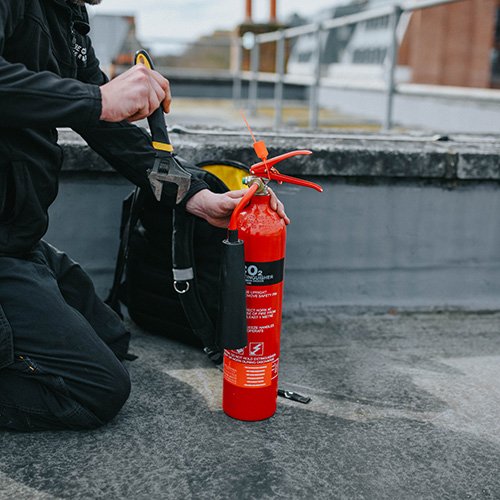
Top 10 Tips On The Regulatory Compliance Of Fire Extinguisher Maintenance in Warwickshire
The UK's regulatory framework on maintenance of fire extinguishers provides an entire approach to ensure public safety and equipment reliability by clearly defining obligations, technical standards and certification systems. The regulations for fire extinguishers are more specific than other safety regulations that provide broad guidelines. They are backed up by detailed technical standards, as well as third-party certification programs that create a logical way to ensure compliance. The "Responsible person" is accountable for the care and maintenance of the building, but there are also clear benchmarks and guidelines to show the due diligence. Knowing this framework is crucial not only for maintaining legal compliance but also for ensuring that fire safety equipment perform as expected in emergencies, ultimately ensuring the lives of people, property, and business continuity, while also satisfying insurance requirements and avoiding significant legal penalties.
1. The Regulation Reform (Fire Safety) Order 2005 (FSO) in Warwickshire
The Fire Scotland Act 2006 and Northern Ireland have similar regulations. Article 17 specifically mandates that all equipment for fighting fires be "subject to a proper maintenance system and maintained in an efficient state and in a good working condition and in good condition." The Order places the responsibility for this on the "Responsible Individual" (usually the employer or owner, or person who occupies the premises). The person who is responsible for this is legally responsible for ensuring the correct servicing procedures for every piece of fire protection equipment such as portable extinguishers are in place and maintained.
2. British Standard BS 5306-3:2017
This standard is a framework that outlines the requirements to maintain and operate portable fire extinguishers. The standard defines three distinct types of service: basic (annual visual inspections and basic checks), advanced (discharge tests as well as internal examinations every five years for extinguishers constructed from water, powder, or foam) and overhaul (pressure testing and internal examinations every ten years for CO2 fire extinguishers). Conformity with BS 5306-3 can be used as a standard to show a "suitable" maintenance system in accordance with the law.
3. Third-Party Certifying Schemes (BAFESP101) in Warwickshire
It's not legally required, however the use of a BAFE SP101 (British Standards for Fire Equipment – British Approvals) accredited provider is the most convincing evidence of care and diligence. The UKAS-accredited certification scheme independently validates whether a business has met the strictest standards for technical expertise, quality of work process, business procedures, and equipment. BAFE Certification is recognized as a powerful evidence by fire authorities, insurers and courts that an organization meets the FSO's maintenance requirements.
4. The Role of the Fire Risk Assessment in Warwickshire
The Fire Risk Assessments (FRAs) are dynamic documents that drive all fire safety decisions including those related to extinguisher services. It is crucial to establish the correct fire-fighting equipment and also its type, size Warwickshire, Warwickshire, and maintenance plan. FRAs must be regularly reviewed, especially when circumstances change. Any changes made should be included in the servicing schedule. The servicing provider's reports often provide valuable input for the reviews.
5. Documentation and Proof Requirements in Warwickshire
Documentation is vital to show compliance. After every service, the company must issue a detailed service report, with details of the company and details about the engineer. The reports must be available for inspection at all times by law enforcement officials including Fire and Rescue Services and insurance companies. Even when the service was completed in a manner that is not required, enforcement actions could be taken if there's no proper documentation.
6. The Penalties Enforcement Mechanisms in Warwickshire
Local Fire and Rescue Authorities have extensive enforcement powers and conduct audits of compliance. If they find that they are not in compliance, they may issue: Alteration Notices (requiring specific modifications to fire protection measures), Enforcement Notes (mandating improvements within a specific timeframe) and in more serious instances, Prohibition Notifications (closing premises or restricting access immediately). For grave violations, like ones that place life at risk The courts are able to impose unlimited fines and up to two years in prison.
7. The Impact of Insurance in Warwickshire
The majority of the requirements for commercial insurance policies are in compliance with fire safety legislation. In the event of an incident, insurance coverage may be cancelled if the company does not comply or has inadequate documentation. Insurance assessors frequently require service records during the process of processing claims. Insurers may also require standardization standards, such as BAFE SP101 as a prerequisite of coverage under insurance, specifically for commercial policies with large amounts or for high-risk buildings.
8. Skills for Technicians in Warwickshire
The FSO stipulates that maintenance must be conducted by a "competent person." While not legally defined, competence generally includes: formal training on BS 5306-3, manufacturer-specific equipment training, practical experience, and understanding of relevant regulations. Through regular assessments and audits of their certified providers Third-party certification programs such as BAFE SP101 offer the most exact proof of technician competency.
9. Environmental Compliance (Duty Of Care) in Warwickshire
Environmental protection laws are responsible for disposing of decommissioned extinguishers and waste. The Environmental Protection Act, 1990, is the main environmental law. The service providers must be registered as waste carriers and must provide Waste Transfer Notes when disposing of equipment. Responsible Persons should ensure that their service provider follows the law when it comes to disposing of their waste.
10. What is the frequency and extent do services are required? in Warwickshire
The frequency of service required by BS 5306-3 is to be followed the following: annual basic maintenance for all extinguishers; an extended service every 5 years for powder, foam and water types; and overhauls every ten years for CO2 units. It is also the duty of the responsible person to ensure that every month, visual inspections take place (often done by staff). The inspections will look for obvious problems, such as obstruction, damage or a loss of pressure. The combination of user inspections as well as professional services makes a full maintenance plan. Check out the best Warwickshire fire extinguisher checks for more info.